
What is Industrial Hygiene and Why is it Important?
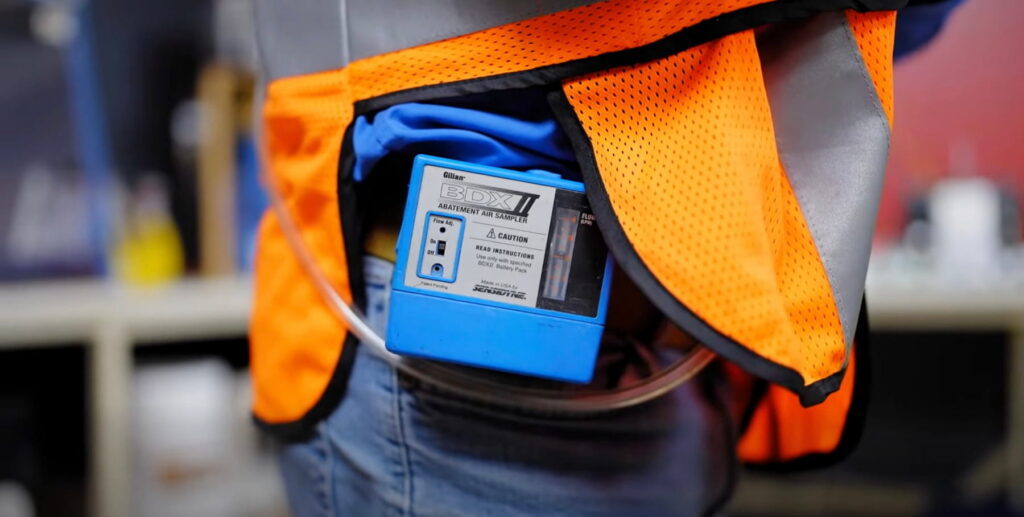
Industrial hygiene is the backbone of your operation’s workplace safety program, as it helps you anticipate, recognize, evaluate, and control potential occupational hazards. Put briefly, industrial hygiene ensures your employees are safe, your risk levels are low, and your work environment is in regulatory compliance. If you have concerns about workplace illnesses and want to […]
Hazardous and Toxic Building Materials Found During Renovation
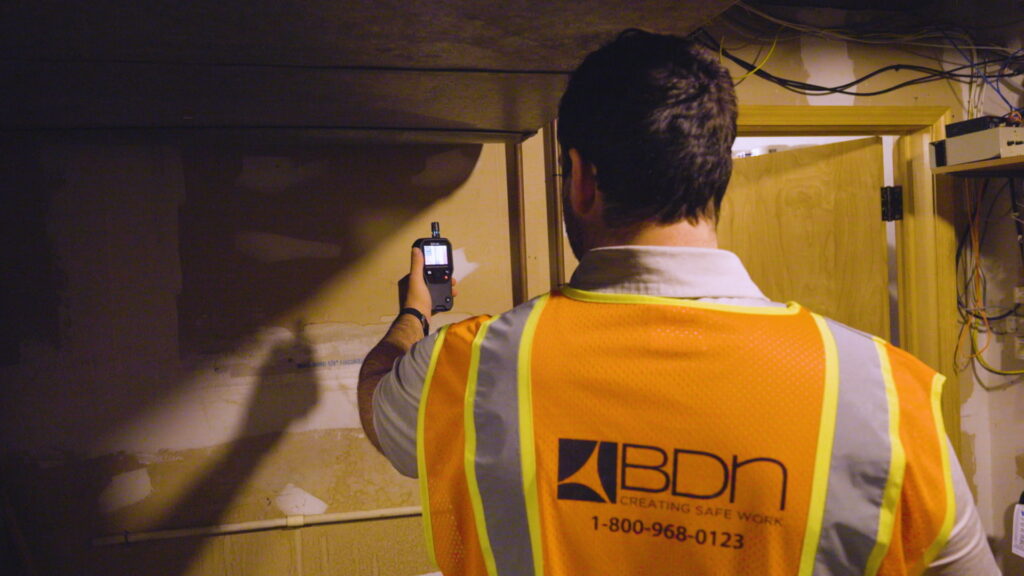
Hazardous building materials pose severe health and safety risks to your building occupants. Older buildings, especially, tend to contain a lot of regulated building materials, including asbestos, lead, and PCBs. Government agencies enforce federal regulations to prevent exposure to dangerous materials, protect the environment, and to guarantee proper risk management. Hazardous substances aren’t just a […]
Top 10 OSHA Violations and How to Avoid Them
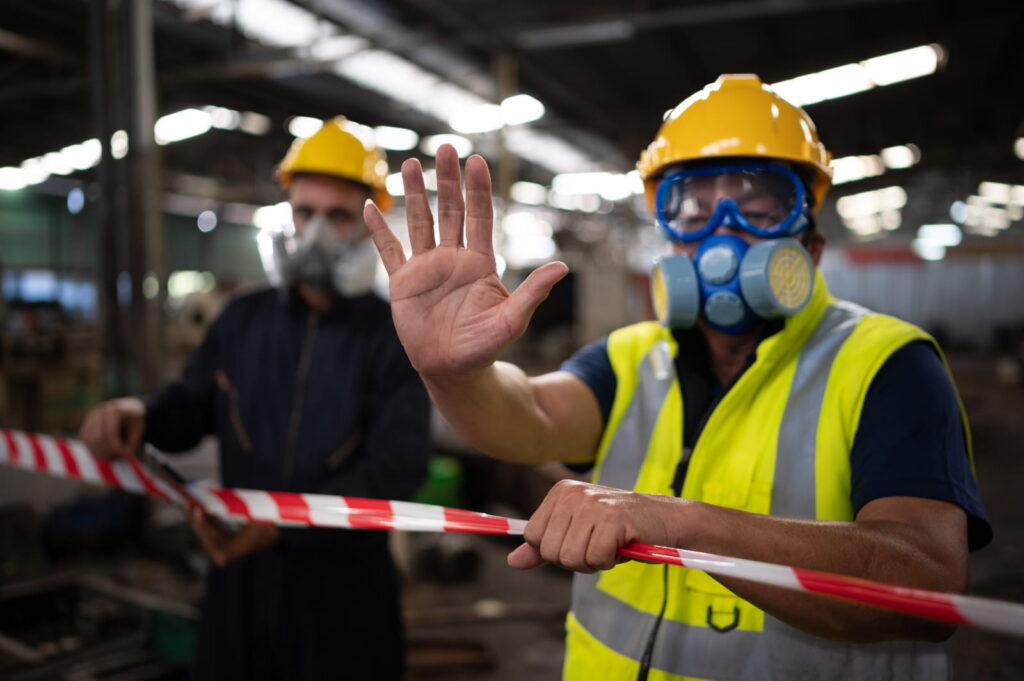
When you think about OSHA violations and safety regulations, you’re likely thinking about all the commonly recognized hazards. Respiratory protection, machine guarding, electrical safety, and other serious violations can all cause serious physical harm and lead to costly OSHA fines. But, every year, OSHA publishes a list of their most frequently cited standards, which can […]
Sick Building Syndrome Prevention, Diagnosis, and Examples

Did you know that your building’s indoor environment can produce harmful, persistent symptoms in its occupants? Poor indoor air quality can lead to sick building syndrome, which is usually the cause of a range of acute symptoms, such as throat irritation, allergic reactions, chest tightness, skin symptoms, and more. Sick Building Syndrome (SBS) Definition Sick […]
Noise at Work – Are Your Ears at Risk?
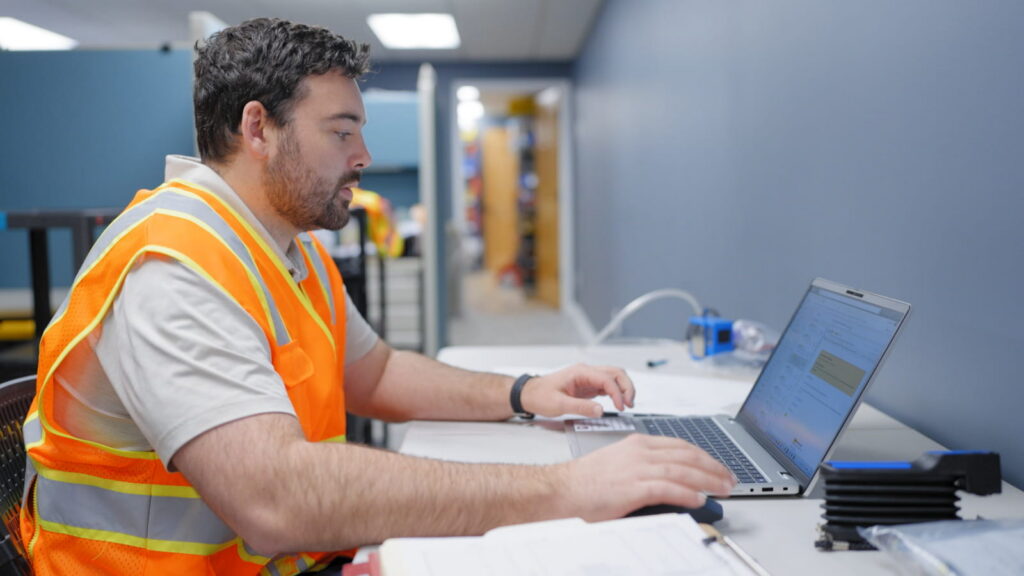
Worker noise exposure is a serious risk in countless workplaces across the United States. Noise levels, which are measured in dBA, have a Permissible Exposure Limit (PEL) of 90 dBA over an eight-hour shift. That value is reduced by half for every 5 dB increase. To reduce noise exposure levels, stick to regulatory limits, and […]